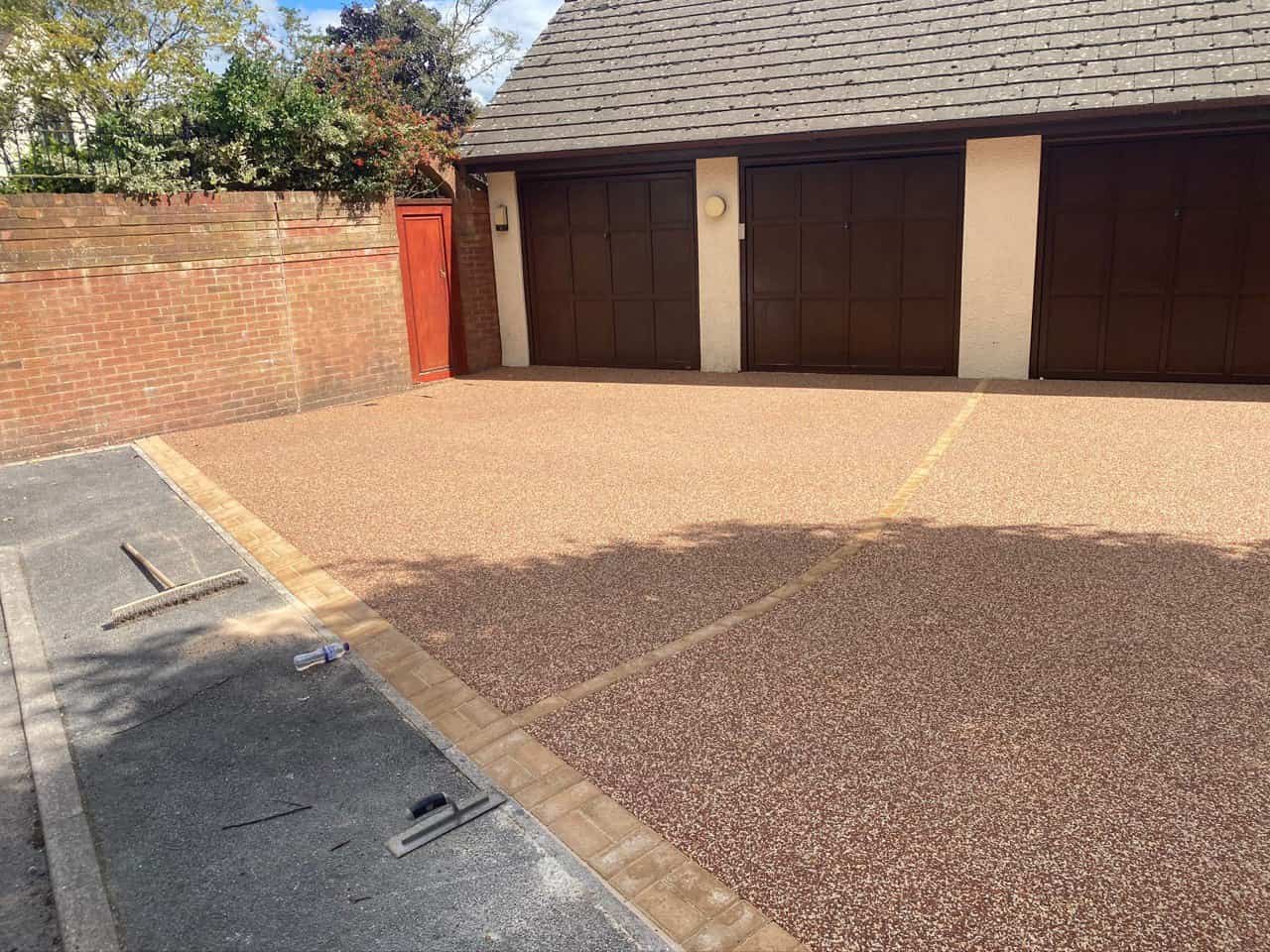
New Build Resin Driveways: What to Consider Before Installing Resin-Bound Surfacing in Burwell, Cambridgeshire
A new-build property offers an opportunity to create an attractive and practical driveway from the outset. Choosing the right surfacing can improve kerb appeal, provide convenient access and complement the appearance of the home. Resin-bound surfacing is a popular option for homeowners seeking a modern finish, but careful planning is essential to ensure the driveway performs well over time.
For homeowners in Burwell, Cambridgeshire, installing a resin driveway involves more than selecting an aggregate colour. Ground conditions, drainage, the existing base and the intended use of the driveway all influence the finished result. Understanding these considerations before work begins can help prevent avoidable problems and create a surface suited to everyday use.
Why Consider Resin-Bound Surfacing for a New-Build Driveway?
Resin-bound surfacing combines decorative aggregates with a clear resin binder to create a smooth, continuous finish. The mixture is laid and levelled to form a firm surface with a distinctive natural-stone appearance.
One of its main advantages is design flexibility. Homeowners can choose from different aggregate colours and blends to complement brickwork, render, windows and other exterior features. This makes resin-bound surfacing suitable for a range of property styles, including contemporary new-build homes.
When correctly installed, resin-bound surfacing can provide a durable, low-maintenance driveway. Its relatively smooth finish is also convenient for walking and everyday access. However, long-term performance depends on suitable materials, proper installation and a base designed to support the expected traffic.
Check the Base Before Installing Resin
The condition of the underlying surface is one of the most important considerations when planning a new resin driveway. Resin-bound surfacing is not a substitute for a properly constructed foundation. If the base moves, settles or develops significant cracks, these problems can affect the surface above.
New-build properties may have recently completed groundworks, but this does not automatically mean the driveway area is ready for resin installation. The contractor should assess whether the base is stable, adequately compacted and suitable for the intended use.
Depending on the site, a suitable asphalt or concrete base may be required. The correct choice depends on the ground conditions, design requirements and proposed driveway construction.
It is also important to consider whether other trades are likely to need access to the driveway during the final stages of building work. Installing the finished surface too early can expose it to heavy equipment, building materials and avoidable damage.
Plan Drainage and Surface Water Management
Drainage should be considered before the driveway layout and materials are finalised. Resin-bound surfacing is designed to be permeable when correctly mixed and installed, allowing water to pass through the surface and into a suitable underlying structure.
However, permeability depends on the complete driveway construction, not simply the resin finish. If the base or ground beneath it cannot accommodate water effectively, drainage problems may still occur.
In Burwell, Cambridgeshire, homeowners should consider the natural slope of the property, the condition of the ground and where rainwater will flow during wet weather. A properly designed installation should prevent water from collecting in low spots or flowing towards the house.
A professional assessment can establish whether the proposed construction is suitable for the site and whether additional drainage measures are needed. Addressing these details before installation helps create a more dependable driveway.
Choose an Aggregate Blend That Suits Your Property
The appearance of a resin driveway can have a noticeable impact on the overall look of a new-build home. Selecting an appropriate aggregate blend helps create a coordinated exterior rather than a surface that looks disconnected from the rest of the property.
Neutral shades can provide a subtle, understated finish, while contrasting aggregates may help define the driveway against surrounding walls, paths or garden features. It is worth considering how the chosen blend will look in both bright sunlight and overcast conditions.
Practical considerations also matter. Lighter surfaces can make an entrance feel open and spacious, while the visibility of dirt, tyre marks and general wear may vary between aggregate blends. Requesting samples and viewing them alongside the property’s exterior can help you make a more informed decision.
The driveway layout should also suit the available space, vehicle access and any adjoining pedestrian paths.
Consider Installation Timing and Future Use
Timing is particularly important on a new-build property. The driveway should ideally be installed once heavy construction activity has finished and the access area is ready for the final surface. This reduces the risk of damage from machinery, deliveries and other building work.
Think about how the driveway will be used on a daily basis. The surface must be designed for the expected vehicle loads, turning movements and parking arrangements. Areas subject to repeated turning or heavier use need suitable preparation and construction.
It is also worth planning how the driveway will connect with entrance paths, garden boundaries and other external features. A coordinated layout can improve accessibility and create a more complete appearance around the property.
Why Professional Resin Driveway Installation Matters
A quality resin-bound driveway relies on careful preparation, suitable materials and consistent installation. Incorrect mixing, poor base preparation or unsuitable weather conditions during laying can affect the finish and its durability.
Burwell Driveways can help homeowners in Burwell, Cambridgeshire, assess their driveway requirements and consider the practical details involved in resin-bound surfacing. Professional advice can help identify potential drainage or base issues before installation and ensure the proposed design suits the property.
Choosing an experienced installer also gives homeowners an opportunity to discuss aggregate options, driveway dimensions and the preparation needed for a reliable finished surface.
Conclusion
A resin-bound driveway can be an attractive addition to a new-build home, providing a modern finish that complements the property’s exterior. However, the best results depend on more than appearance. A stable base, effective drainage, suitable aggregate selection and careful installation all contribute to the driveway’s long-term performance.
If you are planning a new-build resin driveway in Burwell, Cambridgeshire, contact Burwell Driveways to discuss your project and explore a suitable approach for your property.
Call us on: 01638 597 108
Click here to find out more about Burwell Driveways
Click here to complete our contact form and see how we can help with your driveways.